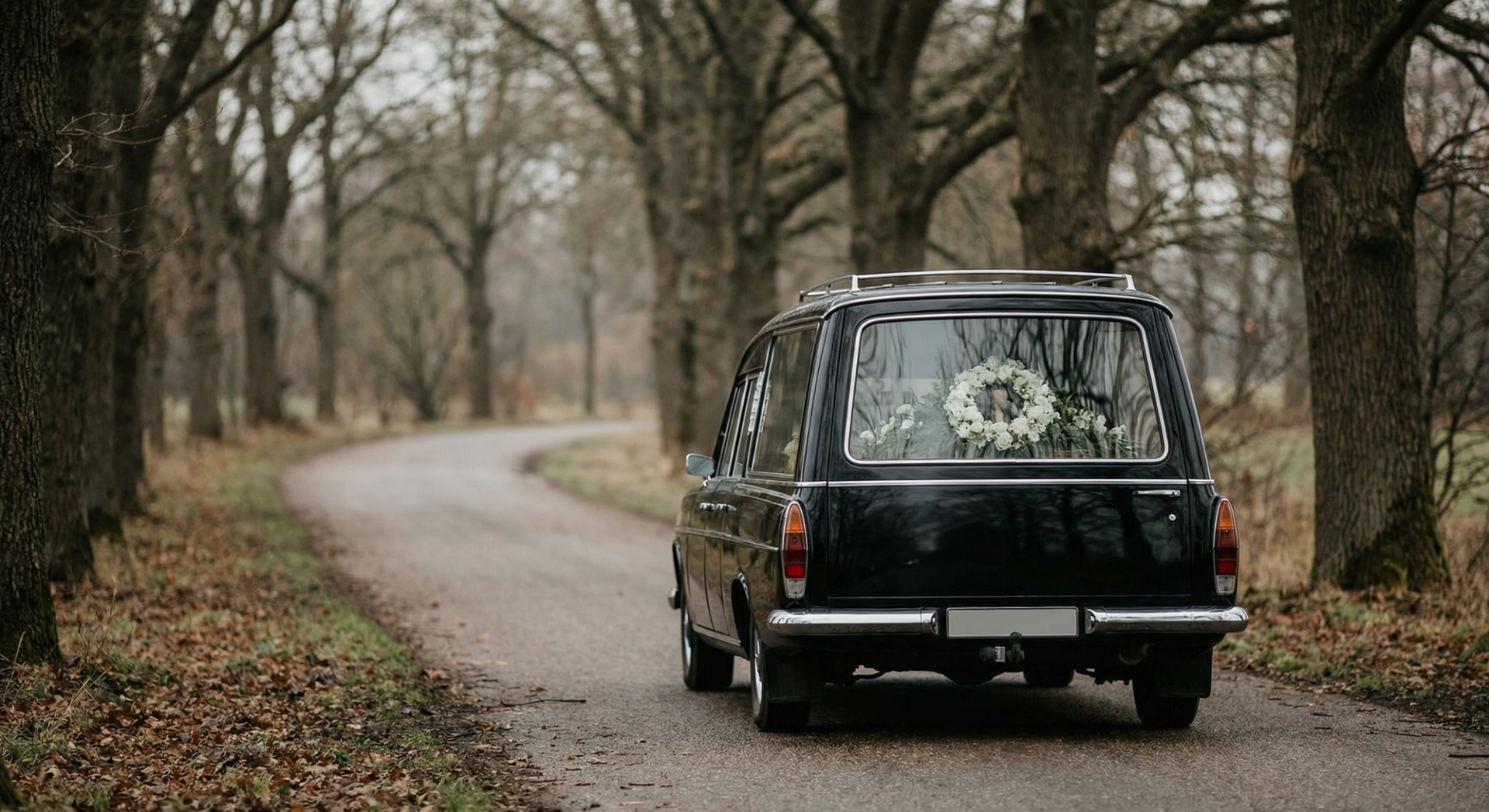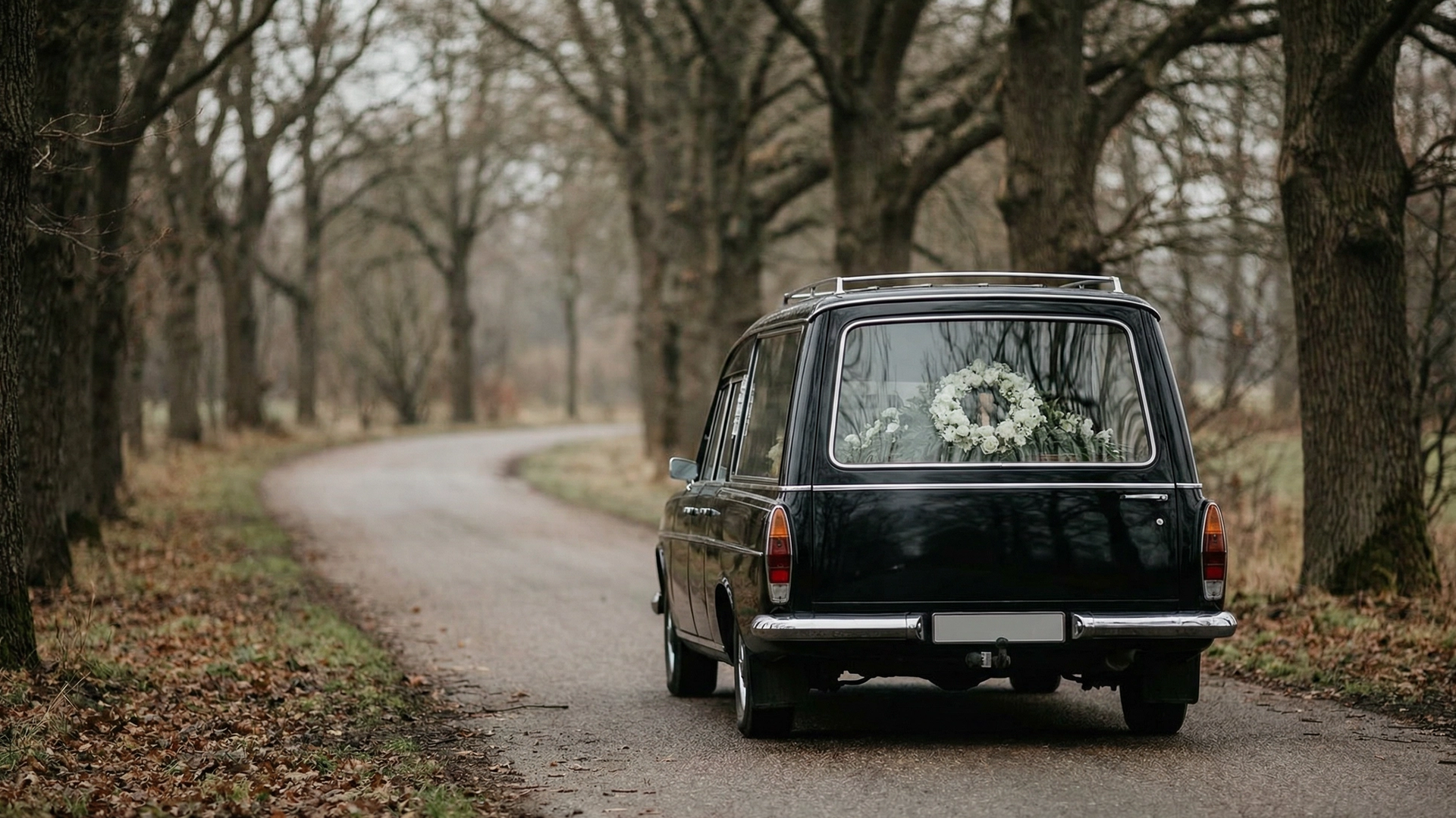
How Much Does a Funeral Cost in Ireland?
Nobody should have to think about money in the days after someone they love has died. But most people do. Funerals in Ireland are not cheap, and the costs arrive at a moment when clear thinking is hardest and the instinct to do right by the person who has died feels stronger than anything else.
This guide is here to help you understand what funerals actually cost in Ireland in 2026, where the money goes, where you can make different choices without losing what matters, and what financial help is available if you need it.
The headline numbers
According to research by An Post Insurance, the average cost of a funeral in Ireland is approximately €6,250. That figure has risen steadily, up 14% since 2022 and over 40% since 2016.
That average includes the funeral director's professional fees, the coffin, the hearse, and the various disbursements that make up a traditional Irish funeral: church offerings, the priest, music, the grave or cremation fee, and the death notice. It does not include extras like flowers, catering for the afters, or a headstone.
The total can range from around €3,500 for a simpler funeral to €8,500 or more for a traditional burial with all the trimmings. What you pay depends on where you are in the country, which funeral director you use, and the choices you and your family make.
What you're actually paying for
The funeral director's bill covers several different costs, some for their own services and some paid out on your behalf to third parties. It helps to understand what each one covers.
Funeral director's fees. This is the largest single cost. It covers the collection and care of the person who has died, embalming, use of the funeral home for reposing, the hearse, and the coordination of all arrangements. Funeral director fees in Ireland typically range from €1,500 to €3,000, depending on the level of service and the funeral home.
Coffin. The coffin is often a significant part of the bill. A standard coffin costs approximately €1,900, but prices range from around €500 for a simple option to €6,000 or more for a high-end casket. The coffin you choose is one of the biggest cost variables.
Burial plot. If you are buying a new plot, this can be the most expensive single item. Grave plots in Ireland range from €1,400 in some counties to €9,000 or more in Dublin. Some Dublin cemeteries charge considerably more than that. If the family already has a plot, you will still need to pay a grave opening fee, which typically costs €450 to €1,200 depending on location.
Cremation fees. Cremation is significantly less expensive than burial. Cremation fees in Ireland range from approximately €475 to €850 depending on the crematorium. There are a limited number of crematoria in Ireland, with most located in or near Dublin, Cork, and Shannon.
Church or venue fees. If the funeral includes a church service, there will be a church offering, typically €200 to €400. A humanist or other celebrant will charge a similar fee. The sacristan and any other church staff may have separate fees.
Music. An organist and a soloist for the funeral Mass or service typically cost €250 to €350 combined.
Death notice. Posting a death notice on RIP.ie costs €100 plus VAT. A notice in a local or national newspaper is an additional cost, typically charged by length.
Mass booklets. An order of service booklet for attendees costs approximately €200 to €400 depending on the quantity and design.
Embalming. Embalming costs between €200 and €500. It is not legally required, but most funeral directors in Ireland include it as standard, particularly if there will be a wake or reposing.
Cremation vs burial
Burial has traditionally been the default in Ireland, but cremation is growing rapidly. Nearly half of people now express a preference for cremation, overtaking burial for the first time in recent surveys.
The cost difference is significant. A cremation funeral avoids the expense of a burial plot, which is often the single most expensive line item. A simple cremation service, including the funeral director's fees, a standard coffin, and the crematorium fee, might cost €3,000 to €4,500. A traditional burial with a new plot in a Dublin cemetery can easily exceed €7,000 to €8,000.
If cremation is chosen, there may be later costs if you decide to inter the ashes in a cemetery or purchase a memorial plaque at the crematorium. Scattering ashes has no cost.
The extras
Beyond the essential costs, there are additional items that many families choose. None are required.
Flowers. A coffin spray or wreath typically costs €100 to €300. Many families now request donations to charity instead of flowers.
Catering. The afters, whether at a hotel, a pub, or the family home, can cost from nothing (tea and sandwiches at home) to several hundred euros at a hotel function room.
Headstone or memorial. A headstone typically costs €1,000 to €3,000 and is usually arranged months after the funeral. The cemetery may charge an additional fee for its installation.
Additional cars. An extra funeral car or limousine costs approximately €400.
How to reduce costs
Reducing the cost of a funeral does not mean reducing the dignity of the farewell. The things that make an Irish funeral meaningful, the stories, the prayers, the music, the gathering of people who loved the person, cost little or nothing.
Consider cremation. If neither the person who died nor the family has a strong preference for burial, cremation is significantly less expensive, primarily because there is no burial plot to purchase.
Choose a simpler coffin. The most expensive coffin is not the most respectful one. A well-made, simple coffin serves the same purpose.
Get more than one quote. Funeral directors' fees vary. Getting a second quote is not disrespectful. It is sensible.
Host the afters at home. A cup of tea and a plate of sandwiches in someone's kitchen is often more comforting than a function room.
Ask what is included. Make sure you understand what the funeral director's quote covers and what will be charged as extras. Ask for a written estimate with all disbursements itemised.
Financial help if you're struggling
If you are worried about how to pay for a funeral, help is available.
Additional Needs Payment. If you are on a low income, you may be eligible for an Additional Needs Payment from the Community Welfare Service to help with funeral costs. This is a means-tested payment, decided case by case. You will need to fill in forms SWA1 and SWA5. Contact your local Community Welfare Service or call the National Community Welfare Contact Centre on 0818 607080. You do not need to be receiving a social welfare payment to apply, but your income and resources will be assessed. The Community Welfare Service prefers if you apply before the funeral, but in practice, most people apply afterwards.
Bereaved Partner's Pension. If your husband, wife, civil partner, or qualifying cohabitant has died, you may be eligible for the Bereaved Partner's (Contributory) Pension. This is a weekly payment based on PRSI contributions. Since July 2025, it has been extended to include qualifying cohabitants. Details are at citizensinformation.ie.
Bereaved Parent Grant. If your spouse, civil partner, or qualifying cohabitant has died and you have dependent children under 18, you may be eligible for a once-off Bereaved Parent Grant of €8,000. Details are at citizensinformation.ie.
Special Funeral Grant. If someone has died as a result of a workplace accident or occupational disease, a Special Funeral Grant of €850 may be available.
Social welfare payments. If the person who died was receiving a social welfare payment, including the State pension, these payments continue for six weeks after the date of death.
You don't have to decide everything now
If someone has just died and you are reading this to understand what lies ahead, here is the most important thing: you do not have to make all these decisions today. The funeral director will walk you through the options. You can ask for time. You can ask for a written estimate. You can say no to things you don't want or can't afford.
The best funeral is not the most expensive one. It is the one that feels right for the person who has died and for the people who loved them.
If you are arranging a funeral for the first time, our step-by-step checklist for what to do when someone dies in Ireland covers the full process in order.
The information in this article is provided for general guidance and is believed to be accurate as of its publication date. Funeral costs, fees, and government support schemes are subject to change. Left This World Memorial Ltd is not a financial adviser and cannot guarantee the accuracy or completeness of the information presented. We recommend verifying all costs with your funeral director and checking eligibility for financial support with the relevant official sources before making decisions.
Left This World helps families create lasting online memorials, a dedicated space to bring together photos, stories, and tributes that honour the people who matter most. Create a memorial →
Funeral costs are only one part of the admin that follows a death. For the full list of what to do and when, see our death admin checklist.
Frequently Asked Questions
A place to remember, whenever you need it
Create a memorial page your family can return to — today, next year, and for years to come.