How Much Does a Funeral Cost in the UK?
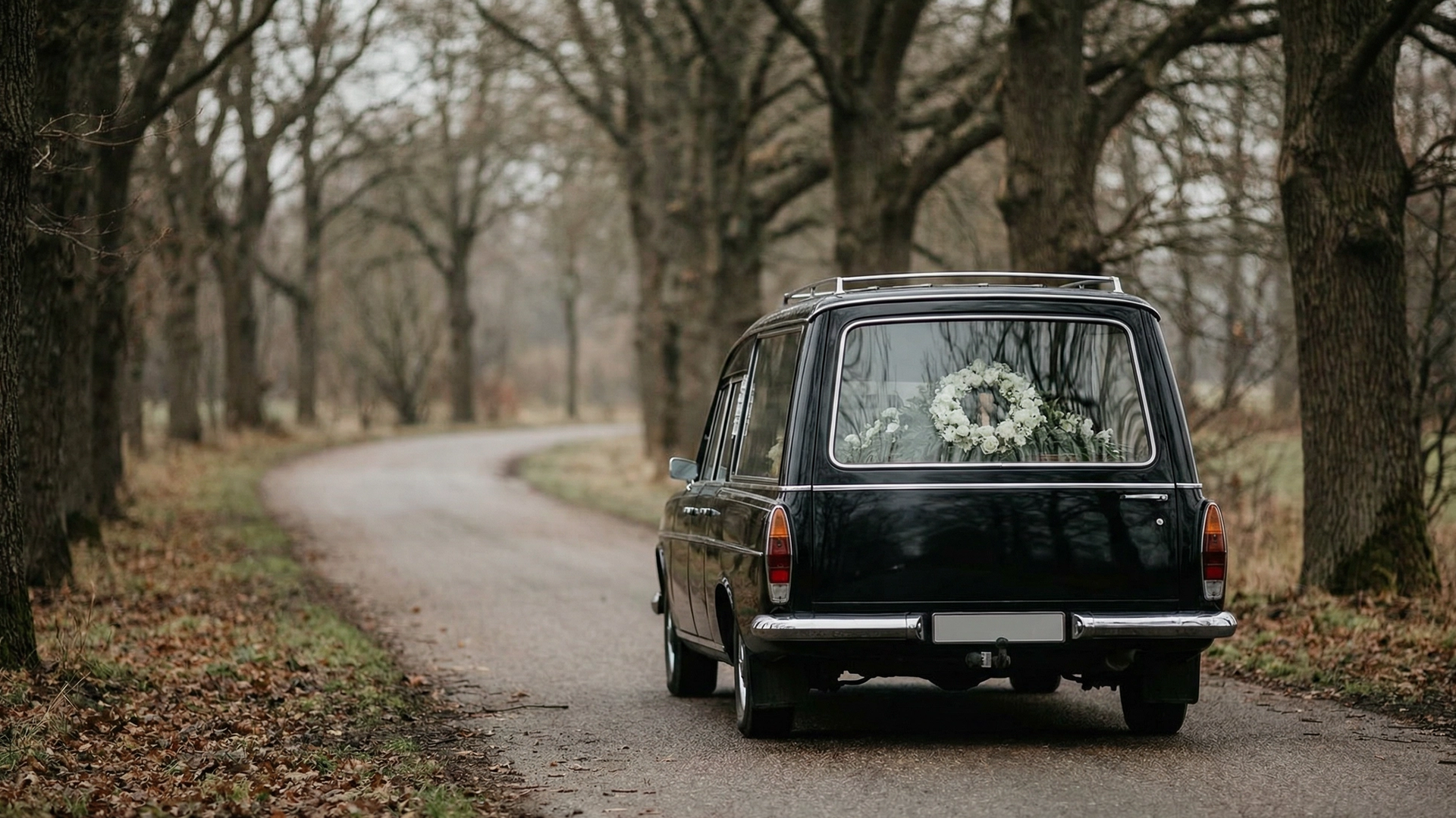
AI-generated image
Nobody should have to think about money in the days after someone they love has died. But most people do. A funeral is one of the largest single expenses many families face, and it arrives at a moment when clear thinking is hardest and the pressure to "do right" by the person who has died feels overwhelming.
This guide is here to help you understand what funerals actually cost in the UK in 2026, where the money goes, where you can save without compromising on what matters, and what financial help is available if you need it.
The numbers can feel stark on the page. But knowing them in advance is better than being surprised by a bill you weren't prepared for.
The headline numbers
According to the SunLife Cost of Dying Report, the most comprehensive annual study of funeral costs in the UK, the average cost of a simple attended funeral is approximately £4,000. This covers the funeral director's professional services, a basic coffin, and the cremation or burial fee.
That figure does not include the extras that many families choose: flowers, orders of service, additional cars, catering for the wake, a headstone or memorial. When those are included, the total cost can rise to £6,000 or more.
A direct cremation, where no ceremony takes place and no mourners attend, costs between £1,500 and £1,600 on average. This is the least expensive option and has grown significantly in popularity. Around 20% of all cremations in the UK are now direct cremations.
Cremation vs burial
Cremation is chosen by nearly 80% of families in the UK, and it is typically less expensive than burial.
A cremation funeral, including the funeral director's fees and the crematorium fee, costs around £3,800 on average. Crematorium fees alone range from £800 to £1,200 depending on the facility, with some offering reduced rates for early morning or off-peak slots.
A burial funeral costs around £5,100 on average. The higher cost is driven largely by the price of a grave plot, which varies enormously. In rural areas, a new plot might cost £500 to £1,500. In London, the same plot can cost £5,000 to £20,000 or more. On top of the plot, there are digging and interment fees, which typically add several hundred pounds.
If cremation is chosen, there may be additional costs later: a memorial plaque or niche in a columbarium can cost £500 to £2,000, and some families choose to inter ashes in a cemetery, which also has its own fees. If ashes are scattered, there is no ongoing cost.
What you're actually paying for
Funeral costs are not one fee. They are a collection of charges from different providers, bundled together on a single bill from the funeral director. It helps to understand what each one covers.
Funeral director's fees. This is usually the single largest cost, making up 50% to 66% of the total bill. It covers their professional services: caring for the person who has died, arranging the funeral, liaising with the crematorium or cemetery, providing a coffin, and organising transport. Funeral director fees vary widely, and getting more than one quote is strongly recommended.
Crematorium or burial fees. These are set by the local authority or private operator, not by the funeral director. The funeral director pays them on your behalf and includes them in the final bill. These are sometimes called "disbursements" or "third-party fees."
Coffin. Coffins range from around £200 for a simple cardboard or veneer coffin to several thousand pounds for solid hardwood. A standard veneered coffin is typically included in the funeral director's package. Upgrading the coffin is one of the most significant cost variables.
Transport. A hearse to carry the coffin and one limousine for the family are usually included. Additional vehicles cost extra, typically £200 to £400 each.
Officiant. A minister, priest, celebrant, or humanist officiant to lead the service. Fees vary from around £150 to £350 depending on the type of service and the officiant.
Death certificates. You will need several certified copies, at £11 each. Most families order three or four.
What the funeral director's quote should include
Since 2025, funeral directors in England and Wales are legally required to display a Standardised Price List, both online and in their premises. This was introduced following a Competition and Markets Authority investigation into the funeral industry.
This means you should be able to compare prices before committing. A good funeral director will provide a fully itemised written estimate, clearly separating their own fees from third-party disbursements. If they don't, ask. And if they won't, find one who will.
Get quotes from at least two funeral directors. An independent local funeral director is often less expensive than a national chain for the same level of service.
The extras
Beyond the essential costs, there are additional items that many families choose. None of these are required, and most can be adjusted or removed without affecting the quality or meaning of the service.
Flowers. A simple coffin spray costs £100 to £300. Additional arrangements can add significantly more. Some families request donations to charity instead of flowers.
Orders of service. Printed booklets for attendees typically cost £50 to £150 depending on quantity and design.
Catering. A wake or reception after the service. Costs depend on the venue and the number of guests. A pub or community hall is usually less expensive than a hotel function room. Many families host the wake at home.
Headstone or memorial. A granite headstone typically costs £800 to £3,000. Some cemeteries have additional fees for installation and a permit for the memorial. There is no rush to arrange this. Most families wait several months.
Death notices. A notice in a local newspaper costs £50 to £300 depending on the paper and the length. For more on this, our guide on how to write an obituary covers where and how to publish.
Livestreaming. Many funeral directors now offer livestreaming as standard or for a small additional fee of around £50. This allows people who cannot attend in person to watch the service.
How to reduce costs without cutting corners
Reducing the cost of a funeral does not mean reducing the quality of the farewell. Most of the things that make a funeral meaningful, the words, the music, the stories, the people in the room, cost nothing.
Consider a direct cremation followed by a separate memorial. A direct cremation at £1,500 to £1,600, followed by a memorial gathering at home, in a park, or at a venue the person loved, can be both deeply personal and significantly less expensive than a traditional funeral. You can hold the memorial whenever feels right, days or weeks later, with no time pressure.
Choose a simpler coffin. The most expensive coffin in the catalogue is not the most respectful one. A simple, well-made coffin serves the same purpose.
Limit the cars. One hearse and one family car is usually sufficient. Many mourners are happy to make their own way to the service.
Host the wake at home. A cup of tea and a plate of sandwiches at someone's kitchen table can be more comforting than a function room at a hotel.
Ask about off-peak cremation slots. Some crematoria offer early morning or late afternoon slots at a reduced rate.
Don't feel pressured. A funeral director's job is to offer options, not to upsell. If something is offered that you don't want or can't afford, say no. There is no obligation to accept any upgrade.
Funeral costs are only one part of the admin that follows a death. For the full list of what to do and when, see our death admin checklist.
If you are weighing up the simplest option of all, our guide to direct cremation and saying goodbye later explains what it costs and how families hold the goodbye on their own terms.
Frequently Asked Questions
Keep their memory alive, together
Invite family and friends to share photos, stories, and tributes in one beautiful, lasting space.