The Rise of Digital Memorials: Why More Families Are Choosing Online Tributes
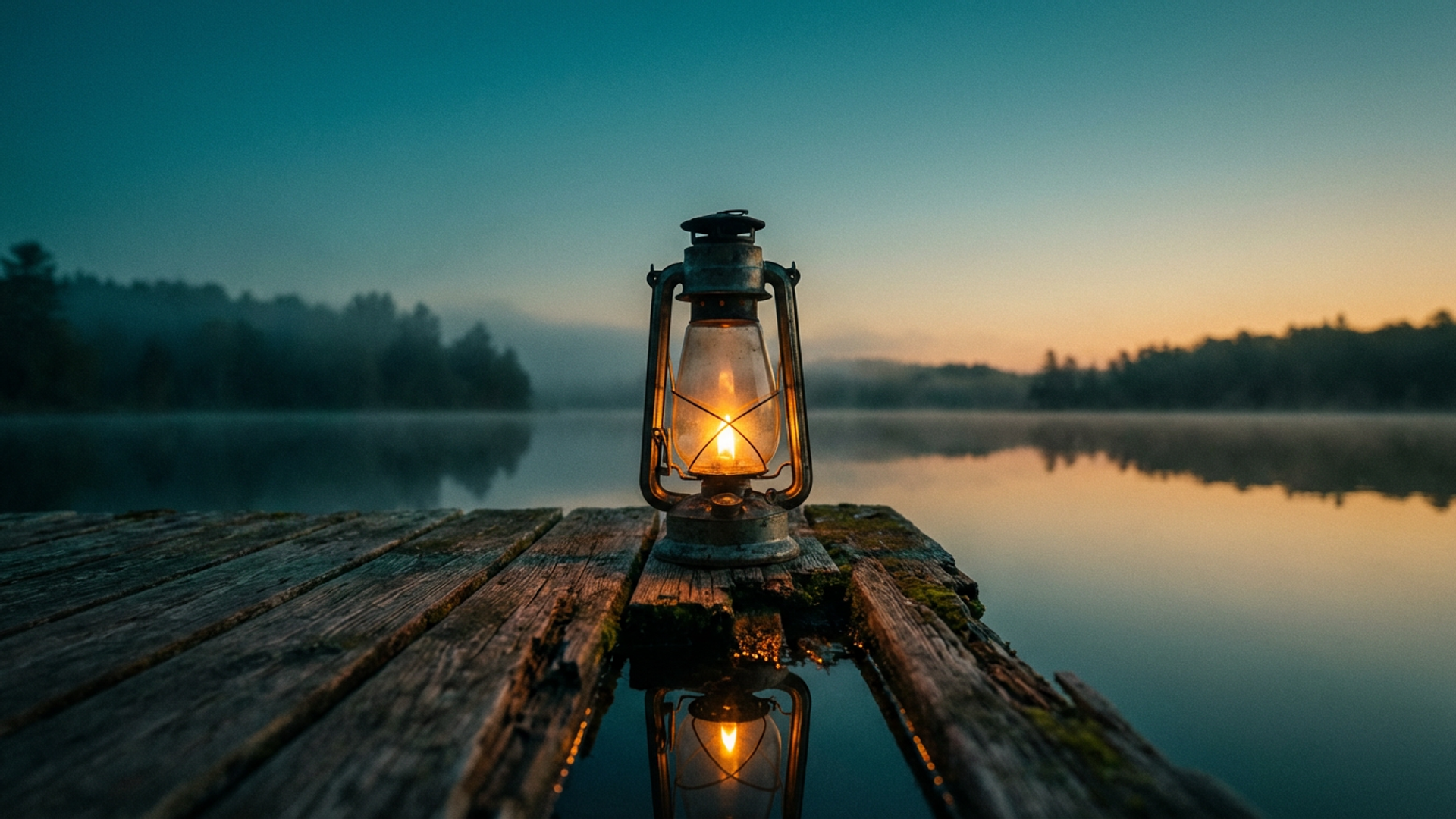
AI-generated image
Something is changing in the way we remember the dead. It is quiet, gradual, and deeply personal, but it is happening across every generation and every culture that has an internet connection.
Families who once placed a brief obituary in their local newspaper and left flowers at a graveside are now creating rich, permanent digital spaces where photos, stories, and tributes from dozens of contributors live on indefinitely. Some are doing this instead of traditional memorials. Many are doing it alongside them. Either way, the shift is significant, and it is accelerating.
A change that was already underway
The pandemic didn't start this trend, but it accelerated it dramatically. When lockdowns prevented families from gathering for funerals, millions turned to technology out of necessity. Funeral homes that had never offered livestreaming suddenly made it standard. Families coordinated tributes over Zoom. Friends who couldn't attend services left condolences on Facebook walls instead of in guest books.
According to the National Funeral Directors Association, more than half of US funeral homes began offering livestreaming during the pandemic, and the habit stuck. A 2025 survey of 6,000 Americans by Choice Mutual found that 45% are now comfortable with the idea of a livestreamed funeral, and nearly 40% are open to creating or having loved ones create a digital memorial page.
But the trend didn't come from nowhere. It grew out of changes that had been building for years: the rise of cremation over burial, the decline of local newspaper readership, the geographic scattering of families, and the simple fact that most of us now live substantial portions of our lives online.
Why cremation changed everything
This might seem unrelated to digital memorials, but the connection is direct and important.
In the UK, nearly 80% of people now choose cremation. In the US, the rate reached 62% in 2024 and is projected to hit 82% by 2045. In countries like Japan and South Korea, cremation rates exceed 90%.
When families chose burial, there was a physical place to visit: a headstone, a plot, a location fixed in geography. When families choose cremation, that anchor point often disappears. Ashes might be scattered at sea, divided among family members, or kept on a shelf at home. The question becomes: where do people go to remember?
For a growing number of families, the answer is online. A digital memorial becomes the gathering place, the permanent marker, the destination that anyone can visit from anywhere.
The limits of social media
When someone dies, social media is often the first place people turn. A Facebook post announcing the death can reach hundreds of people within hours. Instagram stories fill with photos and memories. The immediacy is powerful and genuinely comforting.
But social media was not designed for this. The tributes that pour in after a death get buried under the platform's feed within days. Friends who arrive late see a profile frozen in time, with the last post perhaps something mundane, a restaurant recommendation or a shared article, rather than anything that honours who the person was. The platform's algorithms don't understand grief. Memories of someone you've lost appear sandwiched between advertisements and memes.
Facebook and Instagram do offer memorialisation, which locks the account and adds a "Remembering" badge. But a memorialised social media profile is, at best, a preserved snapshot. It is not a curated tribute. It cannot be shaped by a family to tell the story of a life. And it is subject to the whims of a corporation that might change its policies, redesign its platform, or (as has happened with several social networks before) shut down entirely.
A purpose-built digital memorial is different. It exists solely to honour one person. Every photo, every story, every message of tribute is there by intention, not by accident of algorithmic timing. It belongs to the family, not to a platform.
What families actually want
When you speak to people who have created digital memorials, certain themes come up again and again.
They want somewhere everyone can contribute. When someone dies, the people who loved them are rarely all in one place. They're in different cities, different countries, different time zones. A digital memorial lets a childhood friend in another country share a story that the immediate family may never have heard. It lets a colleague post a photo from a work trip. It lets a grandchild add something years later. The memorial grows richer over time rather than fading.
They want something lasting. A funeral happens once. Flowers wilt. Newspaper obituaries go behind paywalls or disappear from archives. A well-built digital memorial is accessible for years, for decades, and ideally forever. Families revisit them on anniversaries, on birthdays, on ordinary Tuesday evenings when they simply want to remember.
They want to tell the real story. A traditional obituary follows a rigid format: born, educated, worked, survived by. It is a public record, not a portrait of a human being. The things that made someone irreplaceable (the way they laughed, the advice they gave, the meals they cooked, the particular way they showed love) rarely survive the constraints of 200 words in a newspaper. A digital memorial has no word limit and no format restrictions. Families can include the funny stories, the embarrassing photos, the private jokes. They can be honest and warm and specific in a way that an obituary never allows.
They want it to be beautiful. This matters more than people sometimes admit. The aesthetics of remembrance carry emotional weight. A thoughtfully designed memorial page, with carefully chosen photos and a visual tone that reflects the person being honoured, feels like an act of love. It communicates care. Many families take genuine pride in creating something beautiful for someone they've lost.
The generational shift
People under 40 are driving much of this change, but not exclusively. The assumption that digital memorials are "a young person's thing" doesn't hold up. Parents in their sixties and seventies, who may have been sceptical of technology, are often the ones most moved by receiving a link to a memorial where they can see photos of their child or partner gathered from across a community.
What is generational is the expectation. Younger people increasingly see a digital memorial not as an optional extra but as a natural part of how we honour someone. They expect to be able to share a link rather than clip a newspaper. They expect to be able to contribute a tribute from their phone at midnight when grief hits unexpectedly. They expect the memorial to still be there in five years, not buried under a thousand subsequent social media posts.
This expectation will only grow. The children being born today will live their entire lives with digital identities. The idea that someone's memory should exist only in physical spaces and printed text will seem as strange to them as the idea that family photos should only exist as prints in a drawer seems to many people now.
Beyond the obituary
Traditional obituaries are not disappearing entirely, but their role is changing. In the UK, the number of local and regional newspapers has declined significantly over the past two decades. In the US, more than 2,900 newspapers have closed since 2005. The vehicle that families once relied on to announce a death and honour a life is simply reaching fewer people than it used to.
At the same time, the cost of print obituaries has risen sharply. A full obituary in a major metropolitan newspaper can cost several hundred pounds or dollars, sometimes more than a thousand, for a notice that runs for a single day. By contrast, a digital memorial is permanent, accessible worldwide, and typically costs a fraction of that.
This is not just an economic argument. It is a question of reach and permanence. A newspaper obituary is seen by whoever happens to read that edition on that day. A digital memorial is available to anyone with the link, for as long as the platform exists.
What good looks like
Not all digital memorials are equal, and families navigating this space for the first time often don't know what to look for. A few things distinguish a thoughtful digital memorial from a generic one.
It should be permanent. Platforms that rely on free tiers funded by advertising may not be around in ten years. Families should look for services with a clear sustainability model and a commitment to long-term preservation.
It should be collaborative. The best memorials are not created by one person in isolation. They are spaces where friends, family, colleagues, and community members can all contribute, each adding a piece of the picture that no single person could complete alone.
It should be private when it needs to be. Not every family wants their memorial to be publicly searchable. Good platforms offer privacy controls that let families decide who can view and contribute, without making the process complicated.
It should be independent of social media. A memorial that lives inside Facebook is subject to Facebook's decisions about design, access, and data. A dedicated memorial platform gives the family control.
It should feel like it was made with care. Design matters. A memorial that looks like it was assembled from a generic template sends a different message than one that feels considered and intentional.
A new kind of tradition
What we're witnessing is not the death of tradition. It is the creation of new ones.
Families are developing their own rituals around digital memorials. Some add a new photo every year on the anniversary. Others post a memory on the person's birthday. Some use the memorial as a gathering point, sending the link to friends and family on significant dates as a way of saying: let's remember together today.
These rituals have a quiet power. They offer a way to honour someone that doesn't require everyone to be in the same place at the same time. They're inclusive of people who live far away, who are too unwell to travel, who couldn't afford to attend a funeral, or who came into someone's life too late to have been at the service but still carry genuine grief.
In many ways, digital memorials are solving a problem that physical memorials never could: how to create a place of remembrance that isn't constrained by geography, time, or the number of people who can fit in a room.
The people who matter most
Behind every digital memorial is a family doing something quietly extraordinary. They are taking the time, often while still in the early rawness of grief, to gather photos, write words, and create something lasting for someone they love.
They are not doing it because it is trendy. They are doing it because it feels right. Because the alternative, letting someone's memory scatter across platforms and feeds and fading recollections, doesn't feel like enough.
The technology is secondary. What matters is the impulse: the desire to say, this person was here. They mattered. And we want the world to know it.
Left This World is an independent platform, not affiliated with any funeral home, funeral director, or corporate group. It was built for one purpose: to give families a lasting, beautiful space to bring together the photos, stories, and tributes that honour the people they've lost. No algorithms, no ads, no time limits. Just a permanent place to remember. Create a memorial →
Frequently Asked Questions
Keep their memory alive, together
Invite family and friends to share photos, stories, and tributes in one beautiful, lasting space.