How Much Does a Funeral Cost in the US?
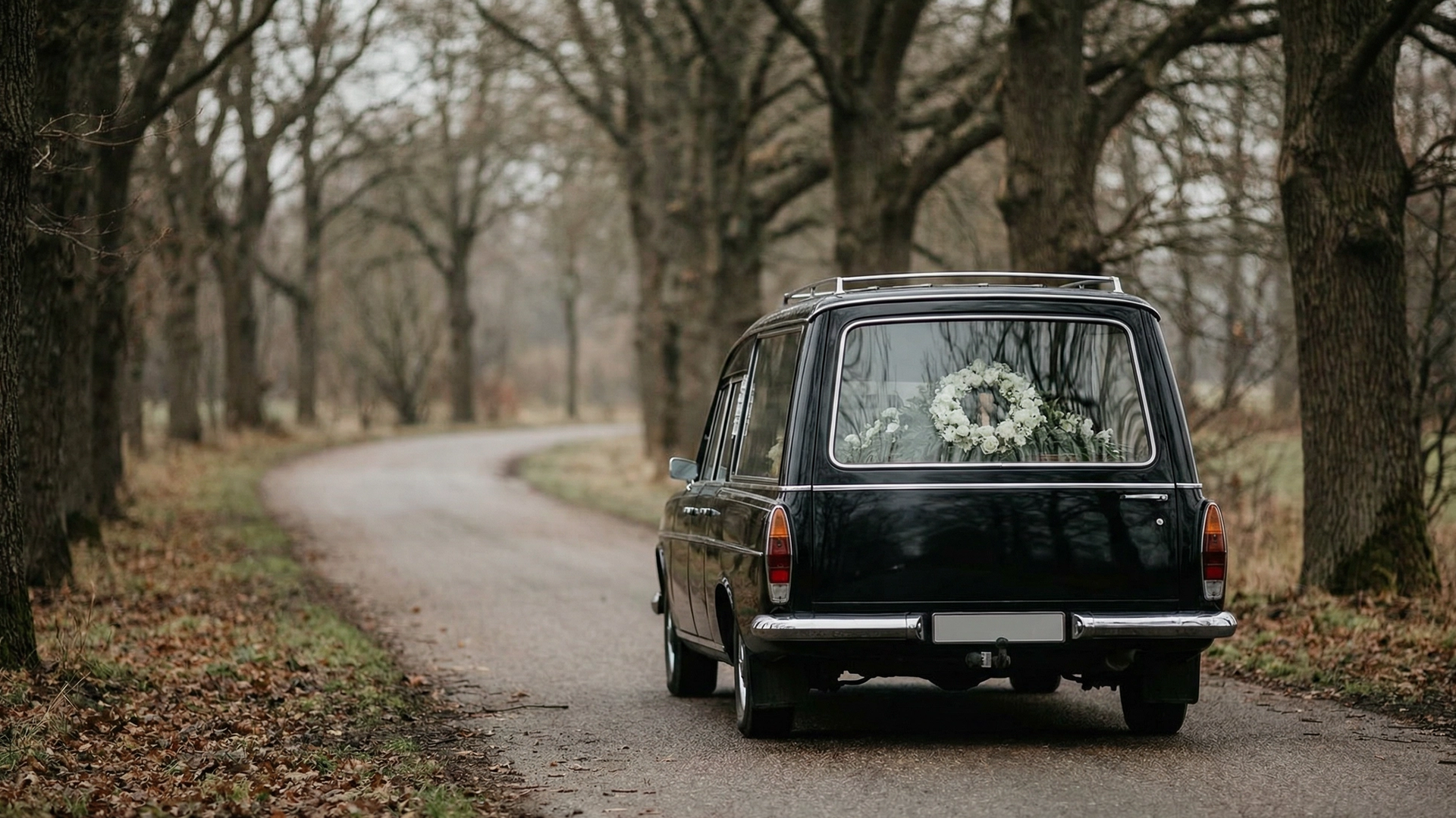
AI-generated image
Nobody should have to think about money in the days after someone they love has died. But most people do. A funeral is one of the largest single expenses many families face, and it arrives at a moment when clear thinking is hardest and the pressure to do right by the person who has died feels overwhelming.
This guide is here to help you understand what funerals actually cost in the United States in 2026, where the money goes, where you can save without compromising on what matters, and what financial help is available if you need it.
The headline numbers
According to the National Funeral Directors Association (NFDA), the median cost of a funeral with burial and viewing is $8,300. Add a vault, which many cemeteries require, and the figure rises to $9,995. These numbers do not include the cemetery plot, headstone, flowers, or obituary.
A cremation with a viewing and memorial service costs a median of $6,280.
A direct cremation, where no service takes place and no one attends, costs around $2,000 to $2,500. A direct burial, without a viewing or ceremony, costs approximately $5,100. These are the least expensive options.
The total cost of a funeral, once you include the cemetery plot, headstone, flowers, obituary, and a reception, can easily reach $12,000 to $15,000 or more.
Cremation vs burial
Cremation has overtaken burial as the most common choice in the United States. The NFDA projects a cremation rate of approximately 63% in 2025, expected to reach 82% by 2045.
The cost difference is significant:
- A cremation with services saves around $2,000 compared to a burial with services.
- A direct cremation can save $6,000 or more compared to a traditional burial with a vault.
Burial costs are driven up by the price of the cemetery plot, which averages $2,750 nationally but varies widely by region. In major cities like New York, Los Angeles, or San Francisco, plots can cost $5,000 to $10,000 or more. The vault, required by most cemeteries to prevent the ground from settling, adds another $1,000 to $3,000.
If cremation is chosen, there may be later costs if the family decides to inter the ashes in a columbarium niche ($500 to $3,000) or purchase an urn ($50 to $1,000 or more). Scattering ashes has no cost in most cases, though some locations charge a small fee.
What you're actually paying for
Funeral costs are a collection of charges from the funeral home and from third parties. Understanding what each one covers helps you make informed decisions.
Basic services fee. This is a non-declinable fee that every funeral home charges. It covers the funeral director's overhead: staff, facilities, licensing, and coordination with cemeteries, crematories, and other providers. This fee typically ranges from $2,000 to $2,500.
Embalming. Embalming is not legally required in most states, but many funeral homes include it as standard for traditional services with a viewing. If you choose a direct cremation or a closed-casket service, you can decline it. Embalming typically costs $500 to $800.
Body preparation and cosmetics. Washing, dressing, and preparing the body for viewing, separate from embalming. Typically $200 to $400.
Viewing and visitation. The use of the funeral home's facilities for a viewing or visitation, typically the evening before the funeral. Costs range from $400 to $700 per session.
Funeral ceremony. The use of the funeral home's chapel or facilities for the funeral service itself. Typically $400 to $700. If the ceremony is held at a church or other venue, the funeral home may still charge a fee for coordinating.
Casket. Caskets range from $1,000 for a basic cloth-covered model to $10,000 or more for solid hardwood or metal. The median casket cost is approximately $2,500. Under the FTC's Funeral Rule, you have the right to buy a casket from a third party, and the funeral home cannot charge a handling fee for accepting it.
Hearse. Transportation of the casket from the funeral home to the church or cemetery. Typically $300 to $500.
Service car or limousine. A vehicle for the family. Typically $200 to $400. Many families use their own vehicles instead.
Cemetery plot. The cost of a grave site, averaging $2,750 nationally but varying enormously. In rural areas, a plot may cost $500 to $1,500. In major metro areas, $5,000 to $10,000 or more.
Opening and closing the grave. The cemetery charges a fee for digging and filling the grave. Typically $500 to $1,500.
Vault or grave liner. Most cemeteries require a vault or liner to prevent the ground from settling. Costs range from $1,000 to $3,000 or more.
Headstone or marker. A flat grave marker costs $500 to $1,500. An upright headstone costs $1,000 to $3,000. Some cemeteries charge additional fees for installation.
Your rights under the Funeral Rule
Since 1984, the FTC's Funeral Rule has protected consumers when purchasing funeral services. Under this rule, every funeral home must provide you with a General Price List before you discuss arrangements. They must give you itemized prices, not just package deals.
You have the right to:
- Buy only the services and products you want.
- Supply your own casket or urn without penalty.
- Be told about any fees for services the funeral home arranges on your behalf, such as flowers, obituaries, or pallbearers.
If a funeral home refuses to provide a price list or pressures you into services you don't want, that is a violation of federal law. You can report it to the FTC.
Regional differences
Where you live significantly affects what you pay. According to the NFDA, funeral costs in the Northeast average around $8,500 to $9,000, while costs in the South are typically $6,700 to $8,000. Cremation saves approximately $2,000 regardless of region.
The highest costs tend to be in New York, Los Angeles, San Francisco, and other major metro areas, driven largely by real estate costs that affect both funeral home overhead and cemetery plot prices. Rural areas and smaller cities tend to be considerably less expensive.
Getting quotes from at least two or three funeral homes is the single most effective way to manage costs. Prices for the same level of service can vary by $1,000 or more within the same city.
How to reduce costs without cutting corners
Reducing the cost of a funeral does not mean reducing the meaning of the farewell. The things that make a funeral or memorial service meaningful – the words, the music, the stories, the people in the room – cost nothing.
Consider direct cremation followed by a memorial. A direct cremation at $2,000 to $2,500, followed by a memorial gathering at home, at a park, or at a place the person loved, can be deeply personal and a fraction of the cost of a traditional funeral. You can hold the memorial whenever feels right.
Choose a simpler casket. Under the Funeral Rule, you can purchase a casket from a third-party retailer, often at significant savings. Costco, Walmart, and various online retailers sell caskets that funeral homes are legally required to accept.
Skip the vault if possible. A few cemeteries allow a grave liner instead of a full vault, at a lower cost. Some natural or green burial sites require neither.
Use your own vehicles. Declining the limousine and service car can save $400 to $700.
Host the reception at home or at a community venue. A gathering at someone's home, a church hall, or a community center is often more meaningful than a rented event space.
Ask about veterans' benefits. If the person was a veteran, the VA provides burial benefits including a free burial in a national cemetery, a government headstone or marker, and a burial allowance. Details are at va.gov/burials-memorials.
Financial help if you're struggling
Financial help with funeral costs in the US is limited compared to the UK and Ireland, but some options exist.
Social Security lump sum death payment. A one-time payment of $255 is available to a surviving spouse who was living with the deceased, or to a qualifying child. This covers a fraction of the actual cost but is worth claiming. Contact the Social Security Administration at 1-800-772-1213 or visit ssa.gov.
Veterans' burial benefits. The VA provides burial benefits for eligible veterans, including burial in a national cemetery at no cost, a government headstone or marker, a Presidential Memorial Certificate, and a burial allowance for service-related deaths. Even for non-service-related deaths, veterans may qualify for a burial allowance. Details at va.gov/burials-memorials.
Employer benefits. Check whether the deceased's employer provides any death-related benefits: group life insurance, accidental death and dismemberment coverage, or unused PTO that can be paid out to the estate.
Crowdfunding. GoFundMe and similar platforms have become a common way for families to raise money for funeral costs. There is no shame in asking for help.
State and local assistance. Some states and counties have programs to help with funeral costs for low-income families. Contact your local Department of Social Services or 211 helpline to find out what is available in your area.
FEMA funeral assistance. If the death was caused by or related to a federally declared disaster (including COVID-19), FEMA may provide funeral assistance of up to $9,000 per funeral. Details at fema.gov/disaster/coronavirus/economic/funeral-assistance.
Funeral costs are only one part of the admin that follows a death. For the full list of what to do and when, see our death admin checklist.
Frequently Asked Questions
Keep their memory alive, together
Invite family and friends to share photos, stories, and tributes in one beautiful, lasting space.